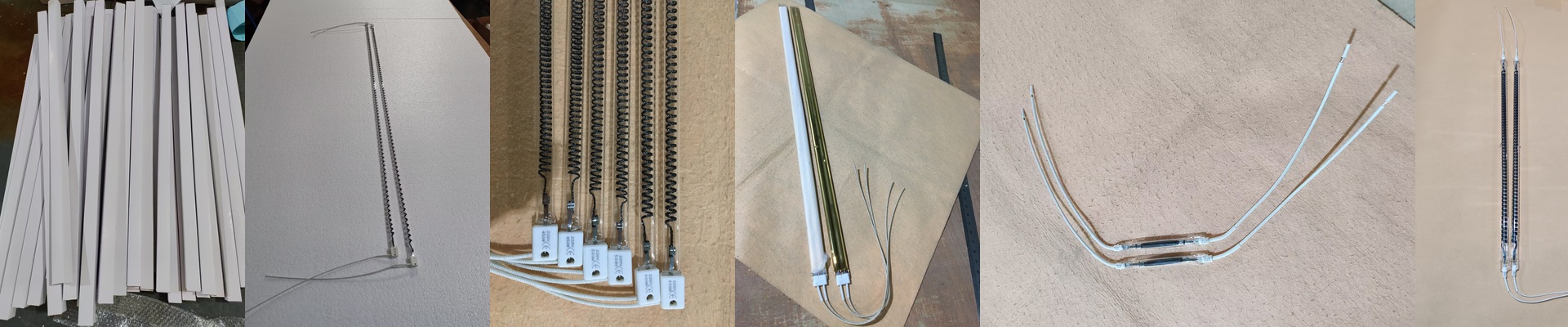

Making DTG Curing Actually Work: The Truth About IR Lamps
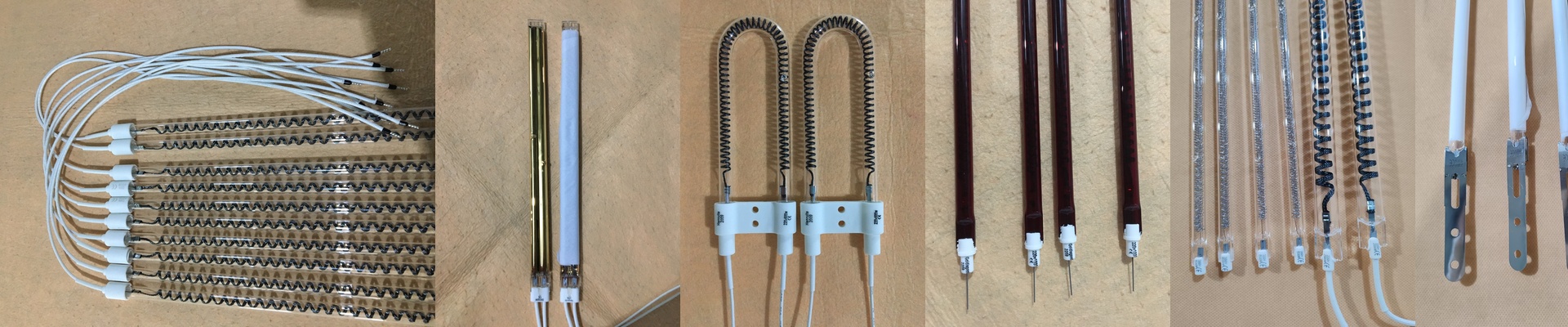
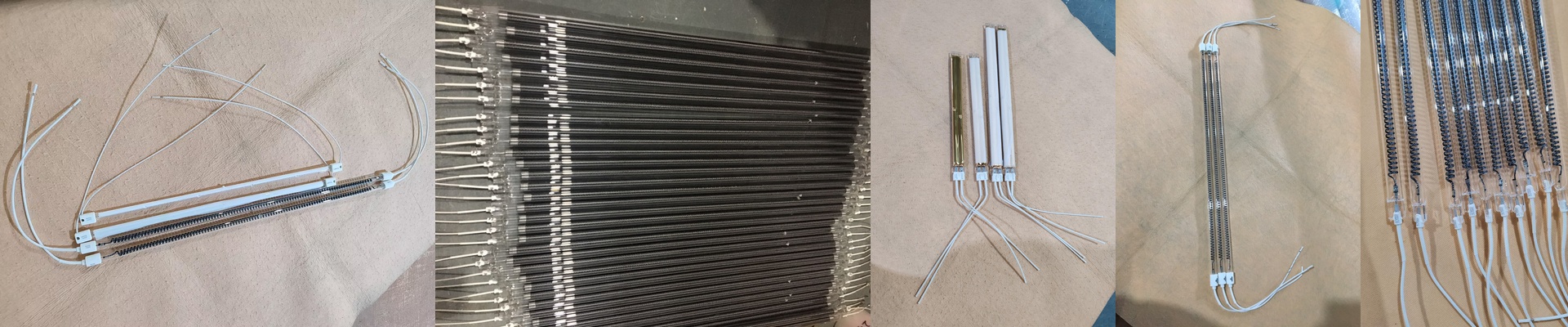
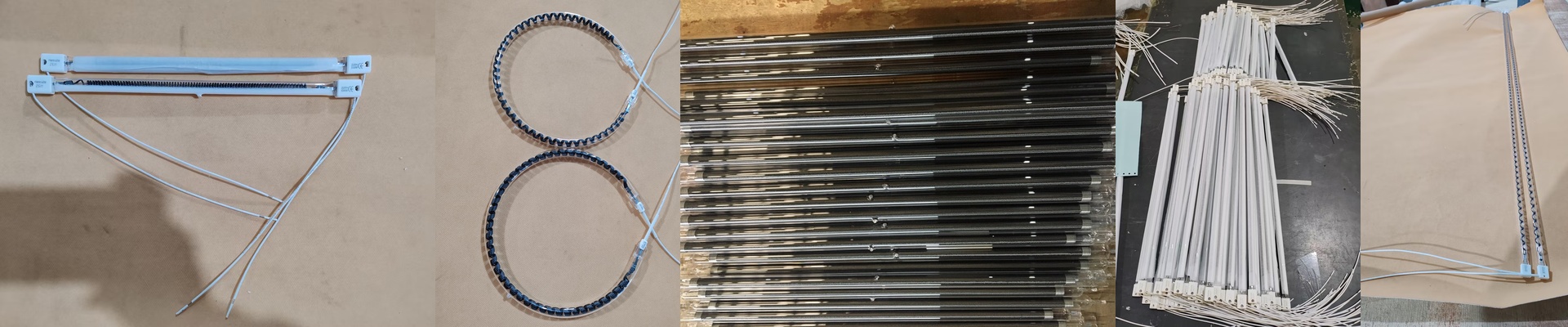
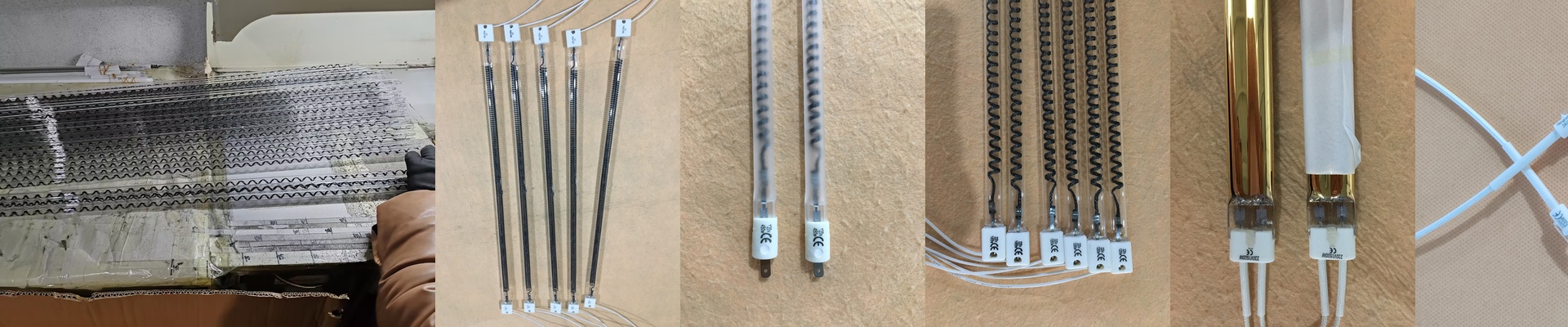
Getting DTG ink to set without torching the shirt is a delicate balance. It’s a tight window. We make the infrared lamps that do the heavy lifting in those dryers, and because we ship these to the biggest brands in the world, we’ve learned that a spec sheet only tells half the story. The rest is just pure physics. The heat, the speed, and the risk Here’s the thing: a DTG lamp needs to hit its temperature almost instantly. We build our tubes with high wattage density so the ink sets the second it slides under the element. If you’re running a high-voltage setup, you get a much more concentrated punch of heat. That’s great because it means you can crank up your belt speed and push more shirts through. But be careful. If your wiring or power supply can’t keep up with that load, you’re going to fry your terminals way sooner than you should. Why we use quartz (and why coatings matter) We stick with high-purity quartz glass. Why? Because these lamps are constantly cycling on and off, and cheap glass just cracks under that kind of thermal shock. Plus, we use a special coating on many of our lamps to shift the emission spectrum. It pushes the energy into shortwave IR, which digs deeper into the ink layer and sets it faster than the standard longwave stuff. And don’t worry about the installation. We use standard R7s or Sk15 connectors. You just pop them in. No rewiring, no headaches. The reality of the shop floor Production environments are messy. You’ve got lint everywhere, ink splatters, and constant vibration. It’s a brutal place for a lamp. That’s why we obsess over the filament centering. If the filament is even slightly off, you get hot spots on the glass, and the tube fails. Period. One last tip: just because you can go with higher wattage doesn’t mean you should. If your conveyor is moving too slowly, you’ll end up yellowing the fabric. We provide the raw heat, but you’ve got to dial in the timing to keep those garments looking crisp.