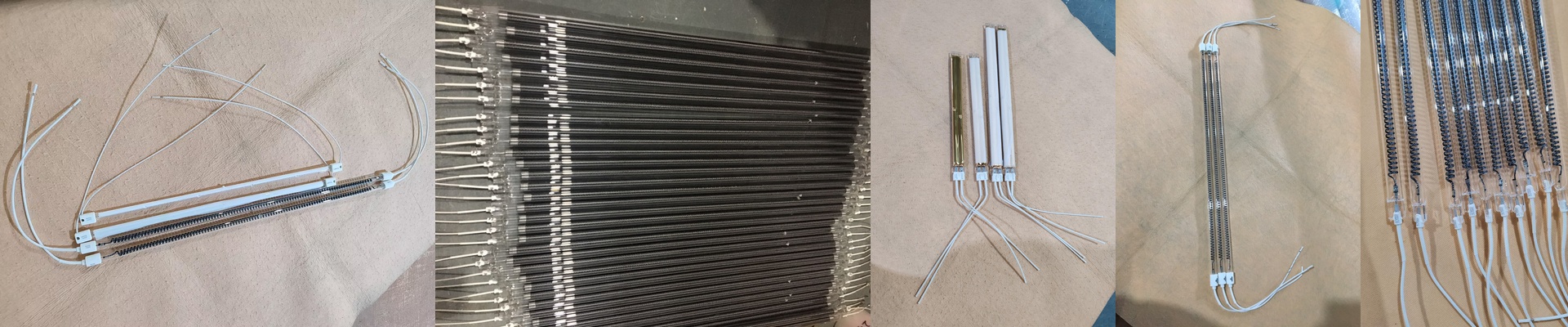

Stop Messing With Your KTK Heater Swaps
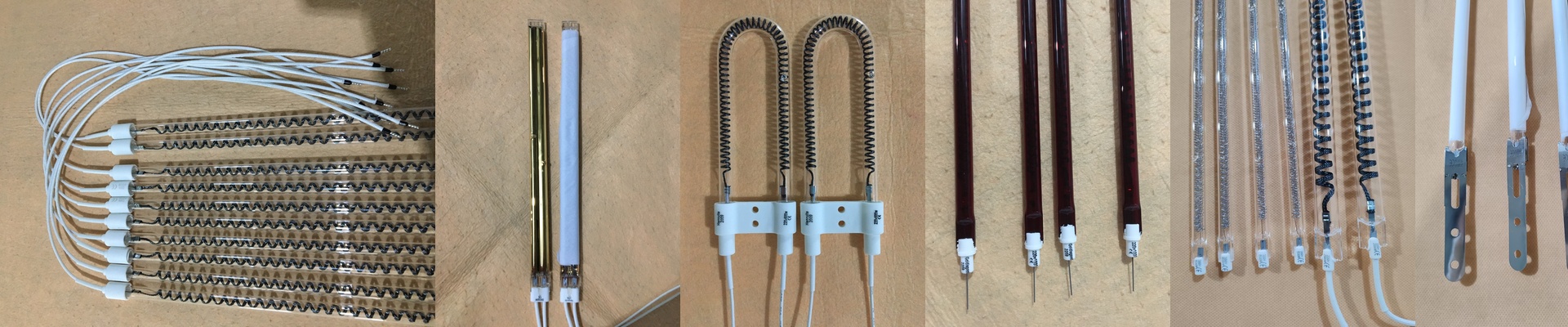
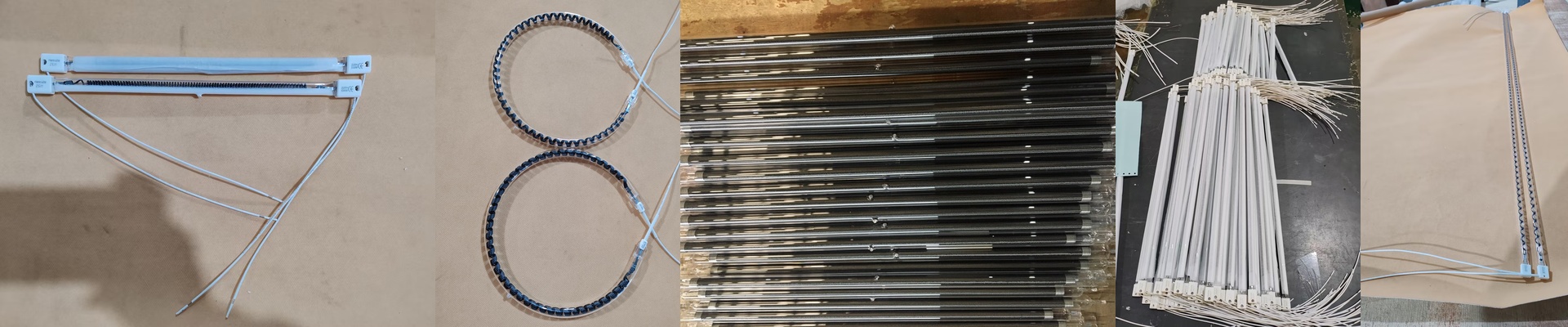
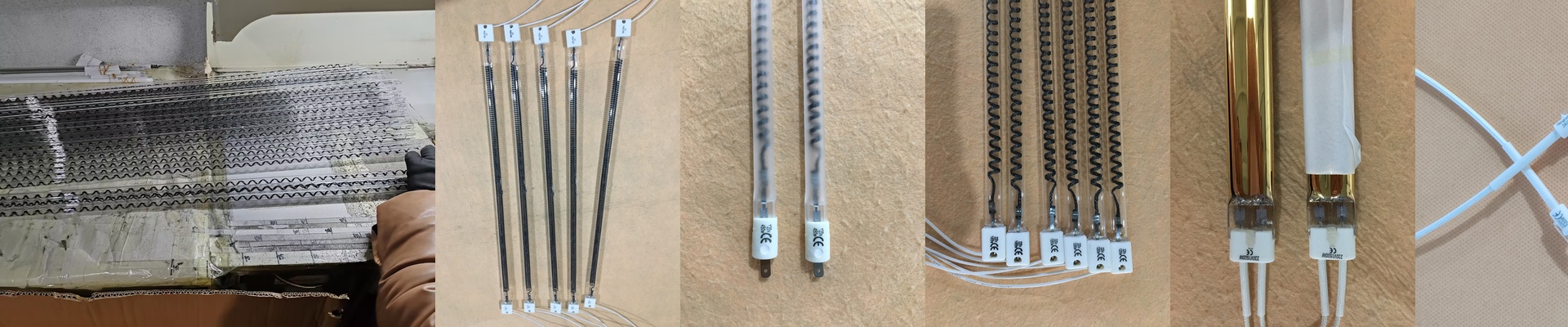
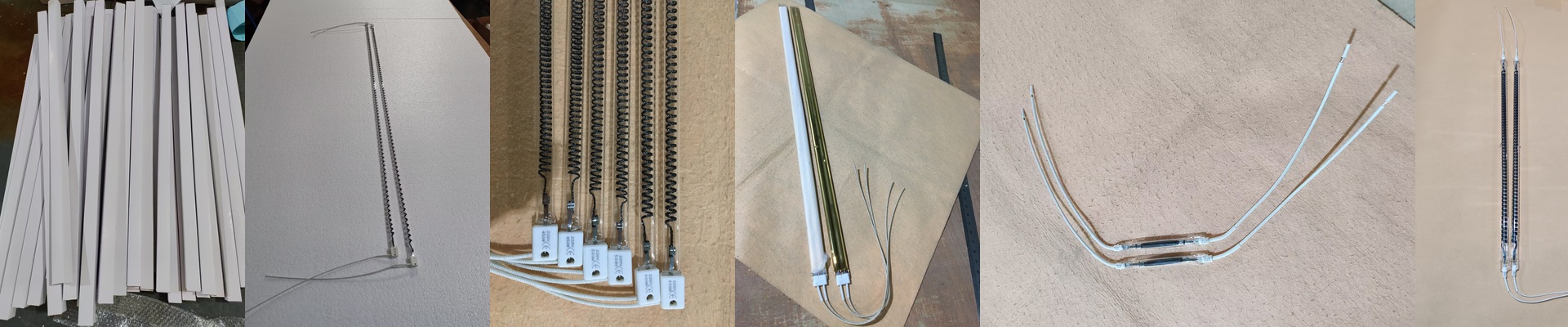
When you’re running a KTK elliptical printer, every minute the machine is down is money leaking out of your pocket. The last thing you need when a lamp goes out is a “close enough” replacement. You’ve probably seen it happen—you buy a heater that’s almost the right length, but then you’re stuck rewiring the control cabinet or bending brackets just to make it fit. It’s a headache nobody needs. That’s why we focus on 1:1 replacements. No guesswork. No “mods.” Getting the heat just right Here’s the thing about power: it has to be exact. We build these lamps to hit the same wattage and voltage as the KTK originals. If you’re using high-output shortwave heat, you need that specific punch of energy. If the wattage is too low, your ink won’t flash-dry fast enough. You’ll end up with bleed or ink that just doesn’t stick. But go too high? You’re risking scorched garments. We make sure the electrical load matches perfectly so you don’t have to worry about your transformers or contactors tripping mid-shift. The build quality We use high-purity quartz because these lamps take a beating. They heat up and cool down fast, and that kind of thermal shock snaps cheap glass. We also stick to the standard industrial connectors—like R7s or SK15—depending on which KTK model you’re running. It should just click into the socket. If there’s any wiggle room, you get arc points. Those little sparks will eat your sockets for breakfast and kill your new lamp way too soon. Putting it to work Since the footprint is identical, the swap is easy. You slide the old tube out, pop the new one in, and you’re back in business. No drilling. No fighting with the hardware. Just a couple of pro tips before you fire it up: High-density shortwave lamps put out a lot of concentrated heat. If you’ve recently tweaked your conveyor speed or changed your ink, take a second to recalibrate your timers. Also, don’t push a high-wattage lamp past its duty cycle if you want the filament to last. And one last thing—check your reflectors. If they’re oxidized or dirty, they won’t throw the heat properly. It doesn’t matter how great the lamp is if the reflector is acting like a sponge. Give them a clean, and you’re golden.