Carbon Rod Heaters: The Industrial Heat You Can Actually Count On
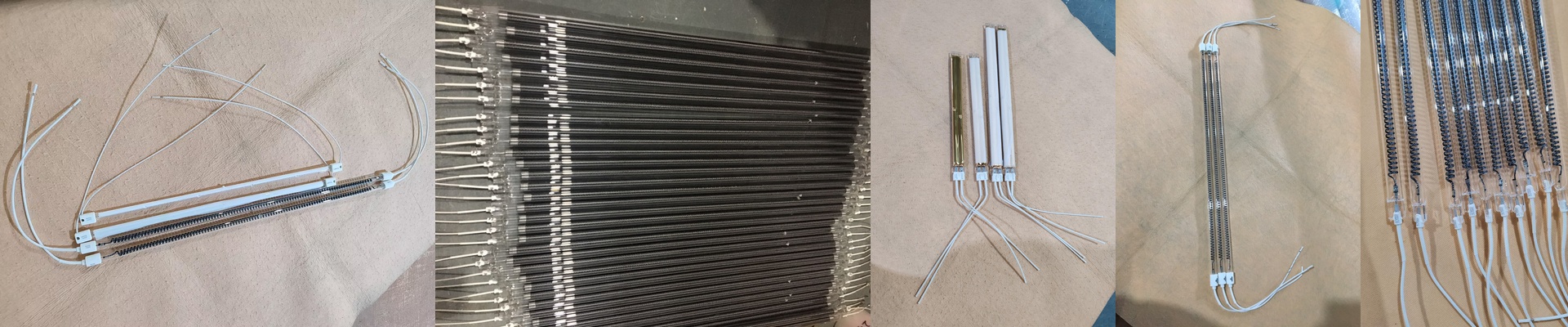
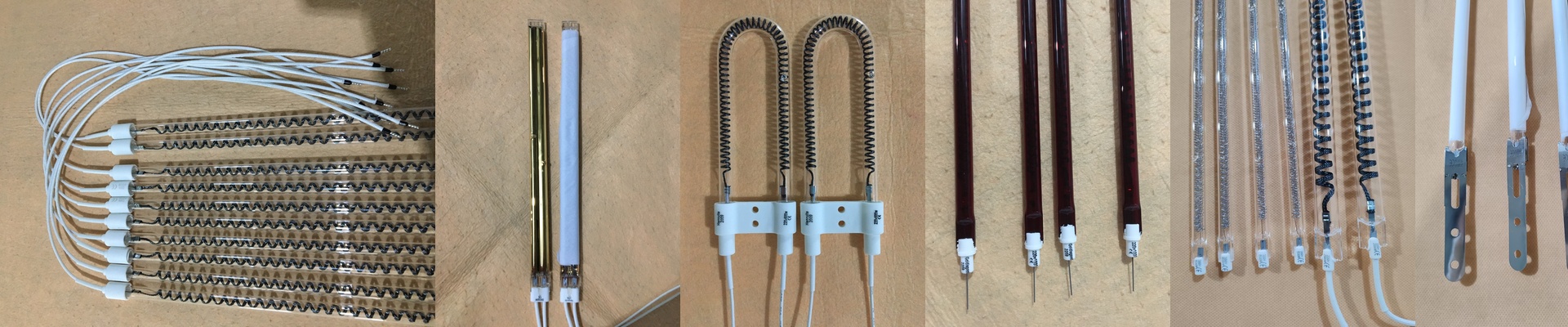
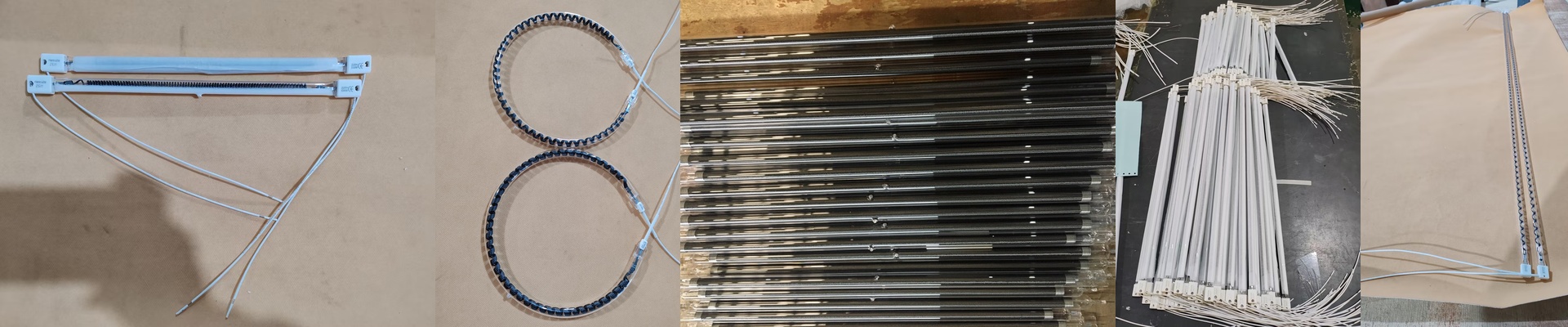
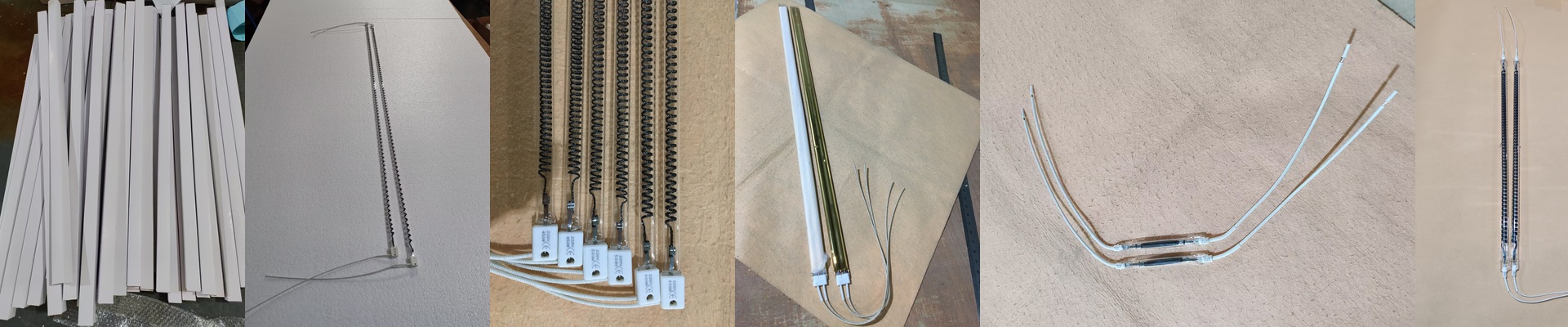
We make carbon rod heaters for the engineers who need serious, focused heat—the kind that shows up and gets the job done, day after day, on a chaotic factory floor. These are quartz-tube infrared lamps that turn electricity straight into radiant energy. The result? Lightning-fast response and power packed into a small footprint. They shine when you have to heat a specific target fast, without turning the whole machine into a sauna.
Power, Voltage, and Fit: What Actually Matters
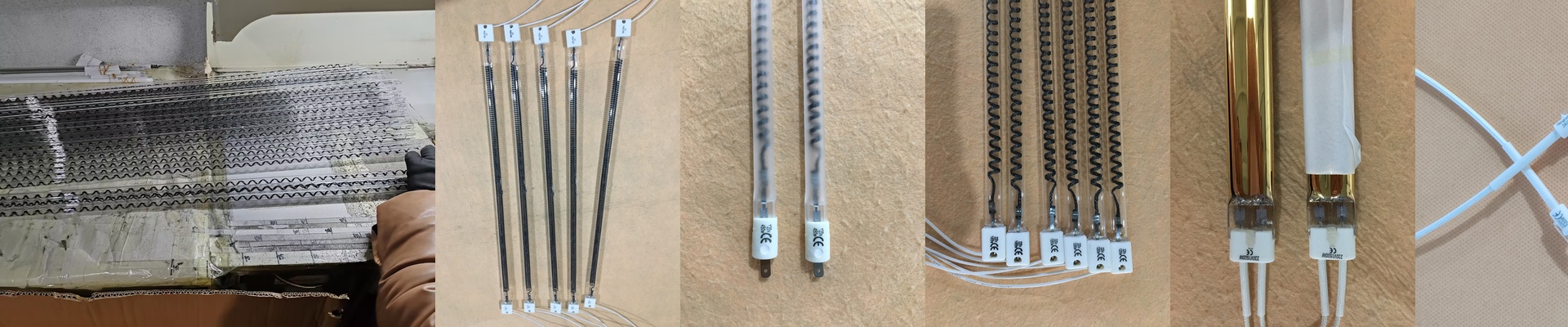
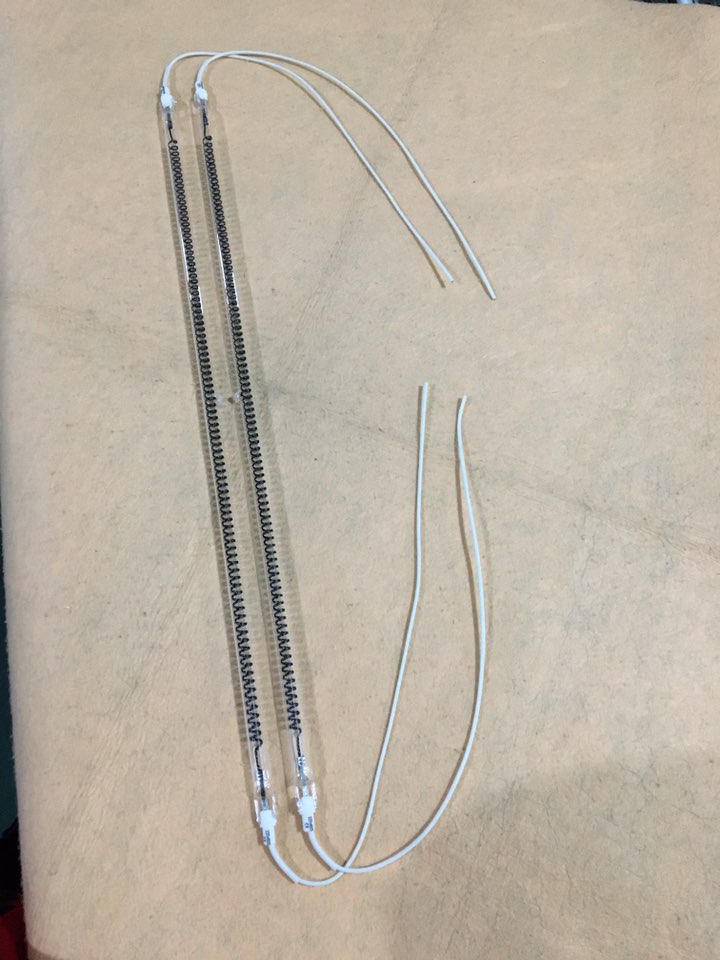
When you’re sizing up a carbon rod heater, wattage, voltage, and physical size are the three levers you’ll pull. They decide how the heater plays with your equipment. A common high-output setup is around 2500W at 400V, giving you a serious blast of heat from a compact shape. Voltage matters because higher voltage means you can deliver the same power with lower current. That lets you use thinner wiring and eases the strain on contacts. And the dimensions? Think roughly 300mm long by 10mm in diameter. That gives you a clear mounting envelope, so you can spec a unit that slips right into the spot you already have. It’s a clean, drop-in replacement.
Built to Take the Heat: Halogen, Quartz, and a Smart Connection
Inside, you’ve got a carbon rod living inside a sealed quartz tube, often filled with halogen gas. That halogen cycle helps keep the rod clean while it runs, which stabilizes output and stretches life compared to bare-element designs. Quartz handles high temperatures and doesn’t panic when you cycle the heater on and off. No cracking under thermal shock. For the electrical hookup, many models use R7s connectors. They give you solid alignment and make replacement quick—no extra hardware to chase.
Where They Shine, and What to Watch For
These heaters are a natural fit for industrial heating where you need fast, controllable infrared—plastic forming, sealing, drying, curing. The concentrated heat cuts warm-up time and keeps the energy where you want it. Here’s the trade-off: that high power density means nearby components feel more heat. So plan for proper shielding and cooling. When you get the spec right—wattage, voltage, length, and connector—you end up with reliable performance that installs fast and keeps running with minimal fuss.