Why This Lamp is Built the Way It Is
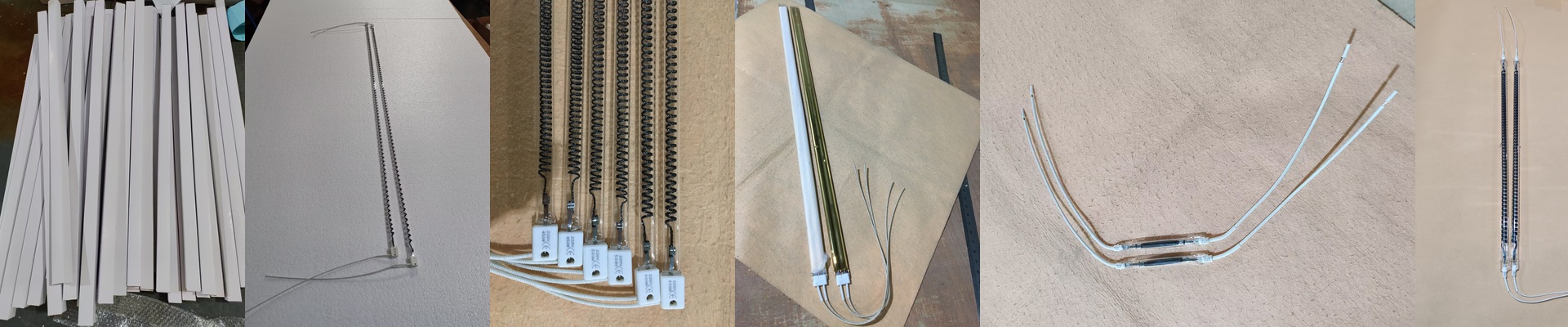
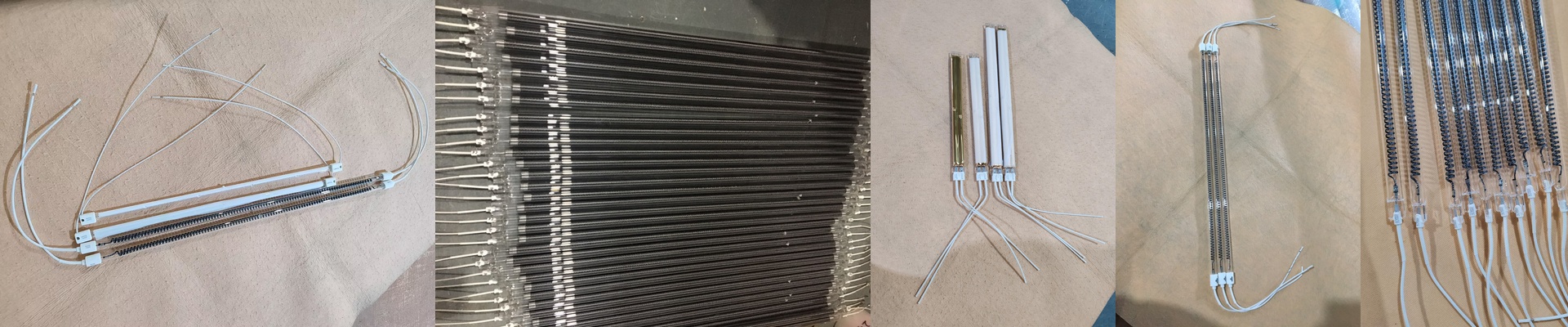
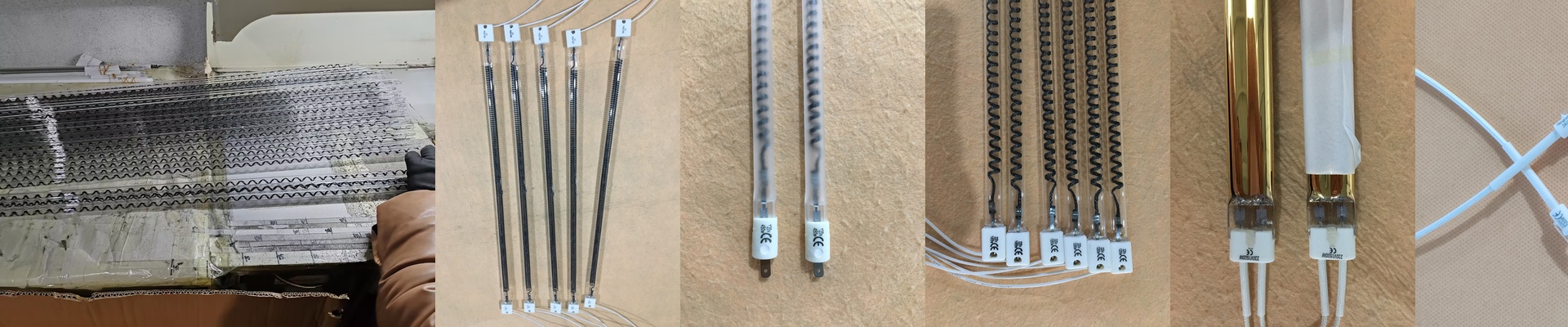
We built this 1260mm Quartz Carbon Heating Lamp for one reason: to pack serious heat into a long, skinny space. That 3500W rating at 220V isn’t random. It gives you heat you can count on, so you can plan your heating zones without guesswork. And the 1260mm length? It covers big, straight processes—like thermoforming ovens, conveyor drying, or wide-belt laminating—without needing a bunch of shorter lamps chained together.
The 220V Advantage
On the electrical side, 220V makes life easier. It fits right into standard industrial power setups, and because it runs at lower current than 110V for the same wattage, your wiring stays simpler. You’ll still want to match the supply and contactor to the job, of course—but the voltage choice takes a lot of the headache out of the wiring.
Inside the Lamp: Quartz, Carbon, and the R7s Base
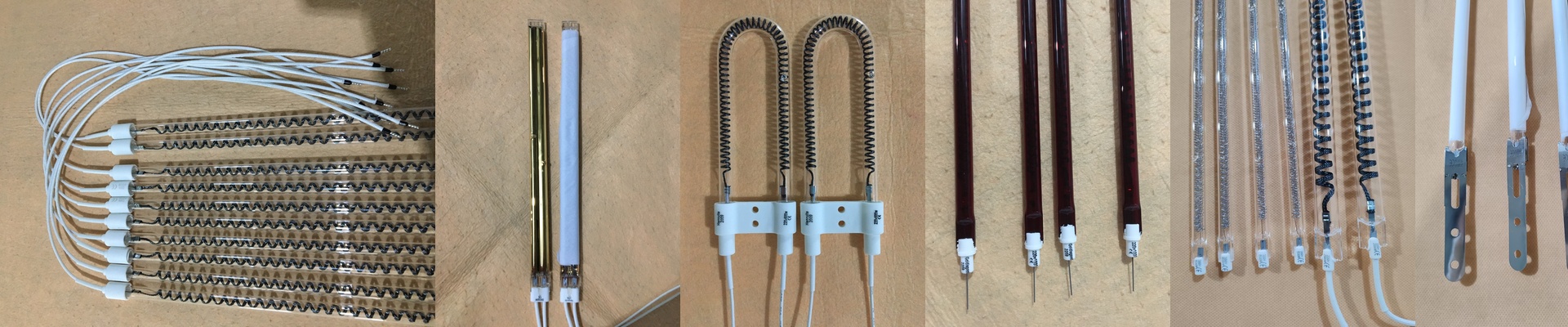
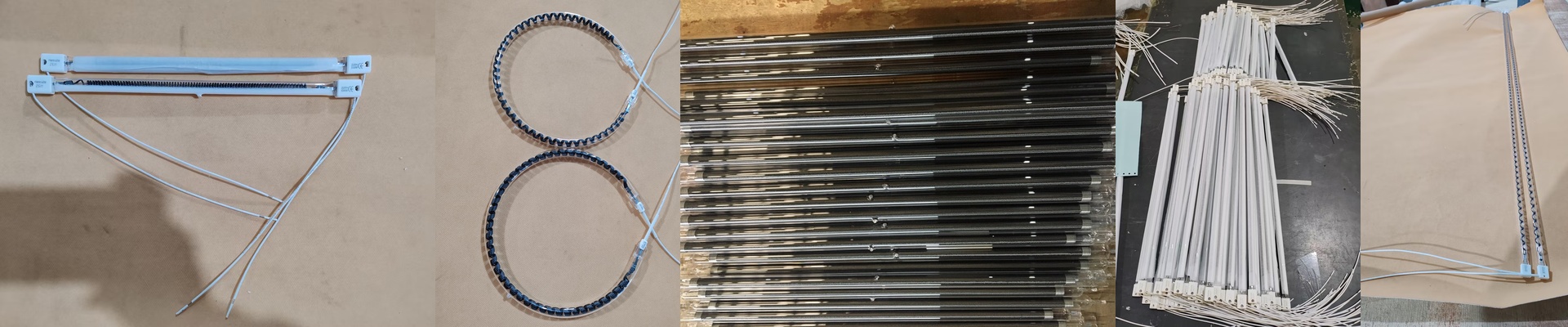
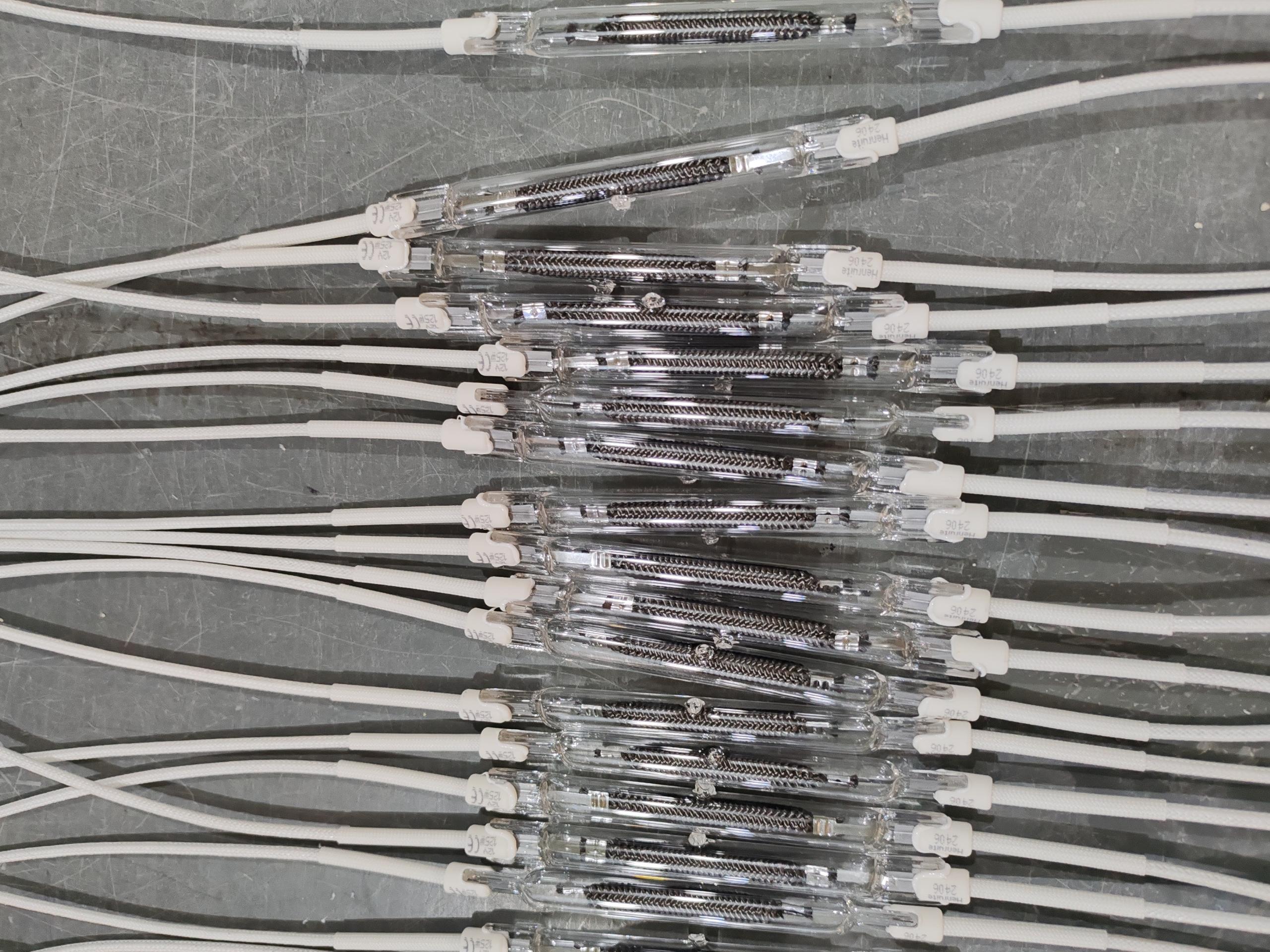
The heart of it is a quartz envelope with a carbon filament inside. Quartz stays steady even when things get scorching, and it handles the shock of fast start-ups and quick cool-downs without cracking. Carbon filaments run hot and throw off strong infrared heat—exactly what you want when you need fast, direct heating of surfaces and materials. The R7s base is the practical call for this size. It handles the wattage, keeps contact solid, and makes the lamp a straight swap into many existing fixtures. The slim design also means it slips easily into tight reflector setups and focused heating stations.
Where It Shines—and What to Watch For
Use this lamp when you need fast, controllable radiant heat across a long zone: heating and forming plastics, coating and curing, drying lines, and general industrial process warming. That 3500W output keeps the heat flux high enough to keep cycle times moving. Here’s the trade-off: high power density means the surrounding gear has to deal with heat. Make sure your reflector alignment, ventilation, and insulation are matched to the lamp. Plan for enough airflow or heat sinking so the lamp and nearby components don’t cook past their limits. Get the system sized right, and you’ll get repeatable heat with minimal fuss—just steady performance, day after day.