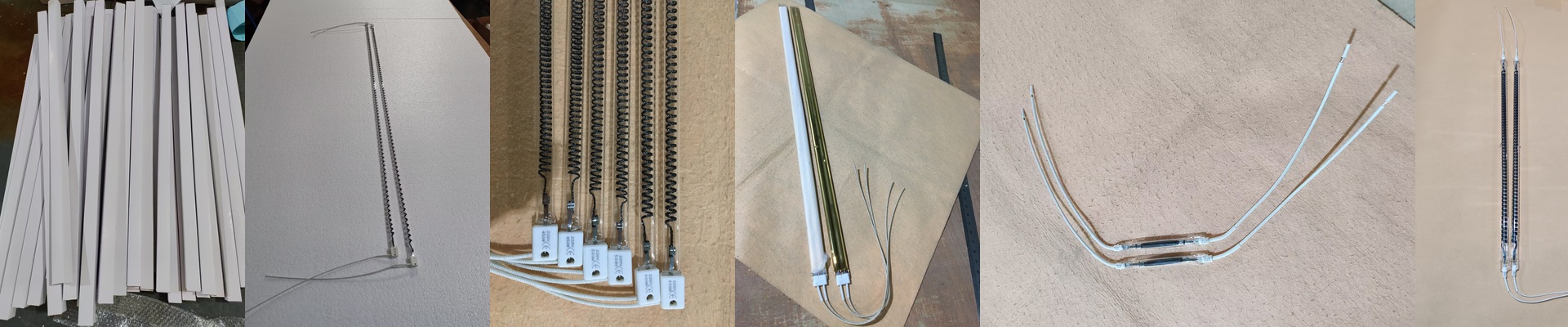
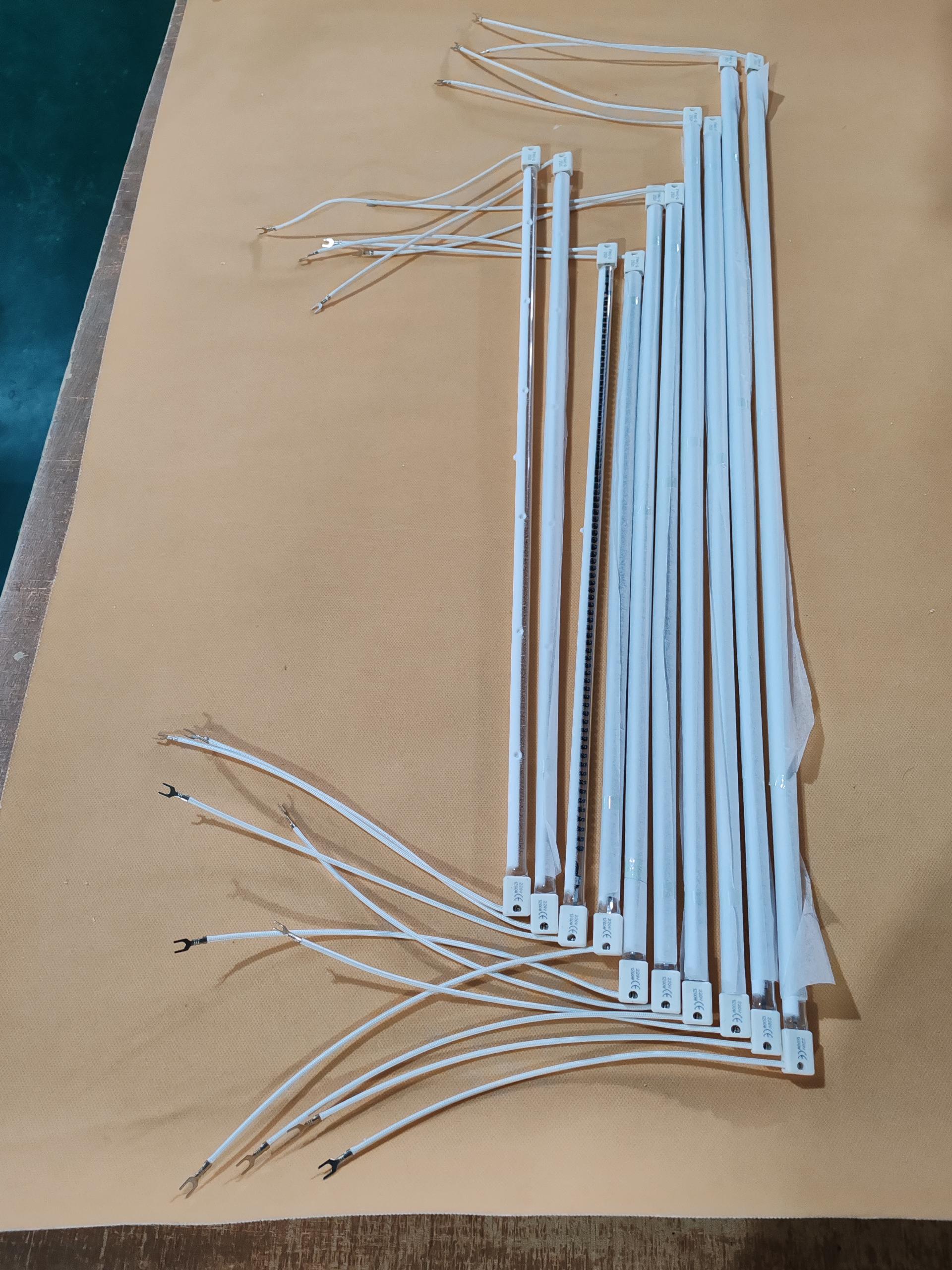
Let’s Talk carbon Infrared Heating
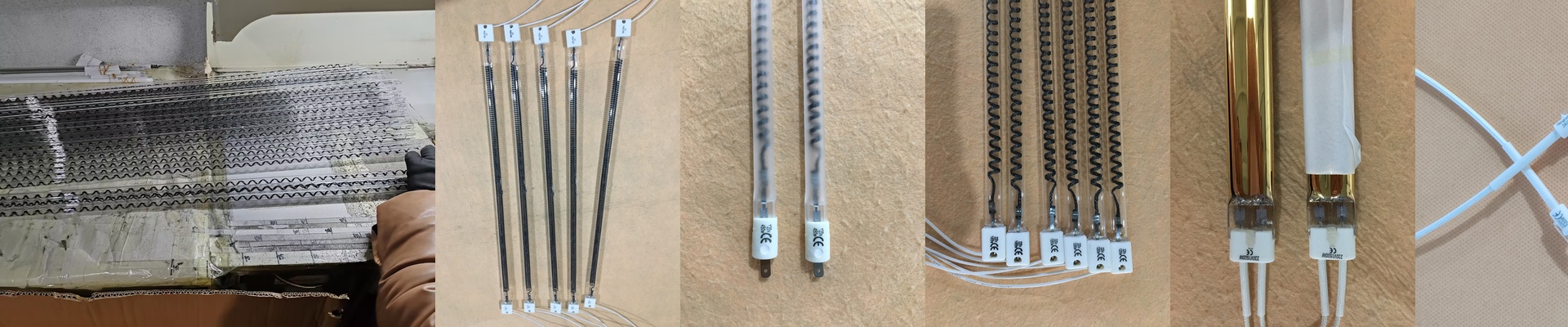
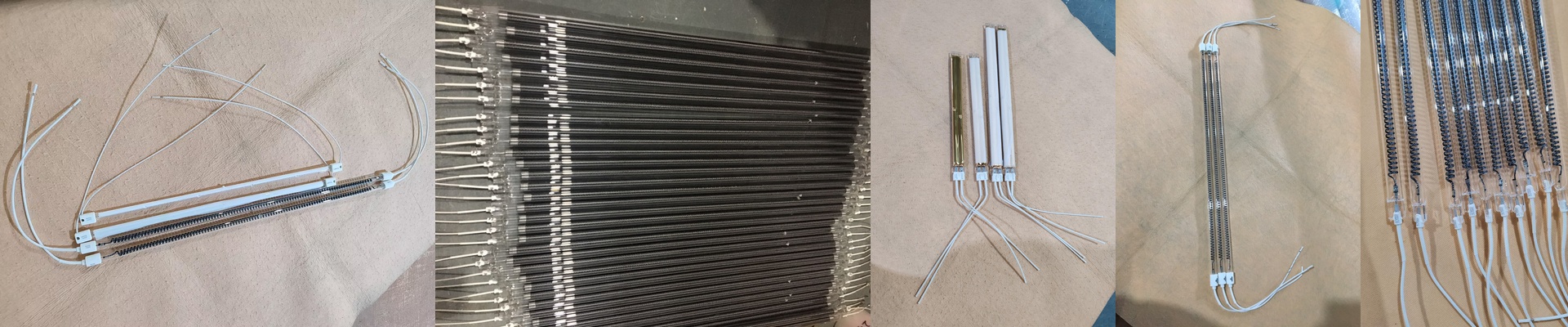
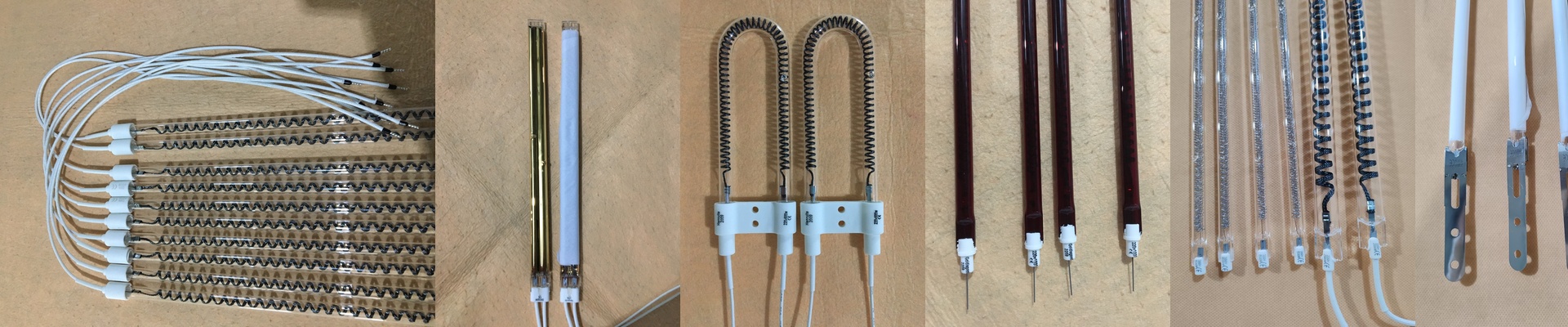
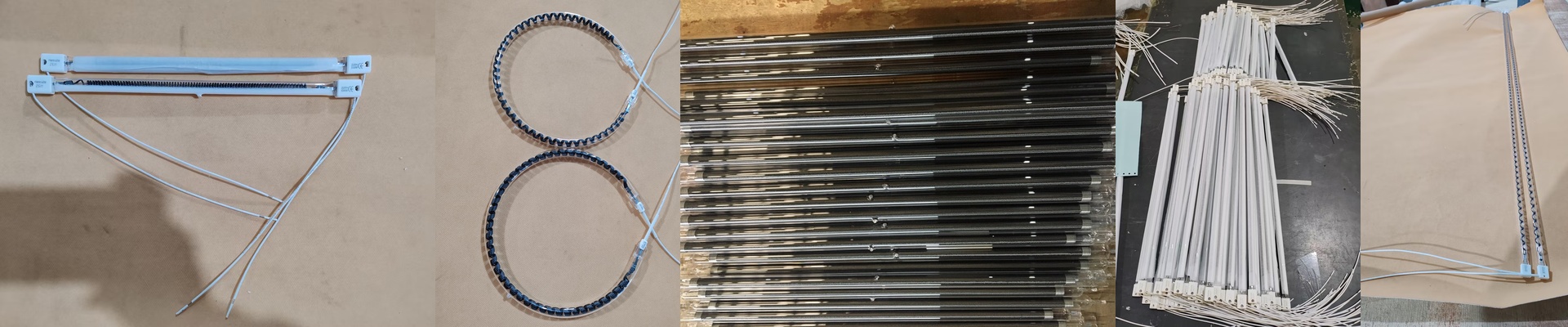
If you’re used to standard quartz heaters, carbon infrared lamps feel like a different beast. Instead of the usual setup, these use a carbon-fiber filament. We usually suggest these when you need a lot of thermal efficiency, but you don’t want those crazy, scorching peak temperatures you get with short-wave halogen lamps. Since they emit mostly in the medium-wave spectrum, the heat actually sinks into industrial materials much better. It doesn’t just bounce off the surface. Getting the power right Here’s the thing about wattage and voltage: they control exactly how much heat hits every square inch. If you go with a high-wattage tube, you’ve got more heat density. That means your curing or drying lines ramp up way faster. But you have to be careful. Your voltage needs to match your power supply perfectly, or you’ll fry the filament. And don’t try to run them at a lower voltage to “save” them—you’ll lose the very thing that makes carbon fiber work so well. The build and the bits To keep that filament from oxidizing and dying, we wrap it in high-purity quartz. Depending on what you’re doing, we can add a special coating. This helps shift the emission spectrum or just stops chemical splashes from ruining the glass. For the plugs, we stick with R7s or SK15 connectors. Why? Because they’re a breeze to swap out. You can just drop a new one in without having to rewire your entire heater bank. Plus, they’re built to handle the constant expanding and contracting that happens when the heat cycles on and off. Where they actually work (and what to watch for) These lamps are the real workhorses for things like PET blowing, plastic welding, and curing paint. You get a much more even spread of heat than you would with old-school coils, and they take up way less space. But, a heads-up: carbon filaments are a bit more fragile than metal. If your machinery shakes or vibrates a lot, you’re going to want reinforced mounting brackets. Otherwise, the filament might just snap. Also, make sure your airflow is dialed in. These things put out a lot of heat, and if the ventilation is off, you’ll end up cooking your own electronics.