Technical Deep-Dive: Power and Electrical Specs
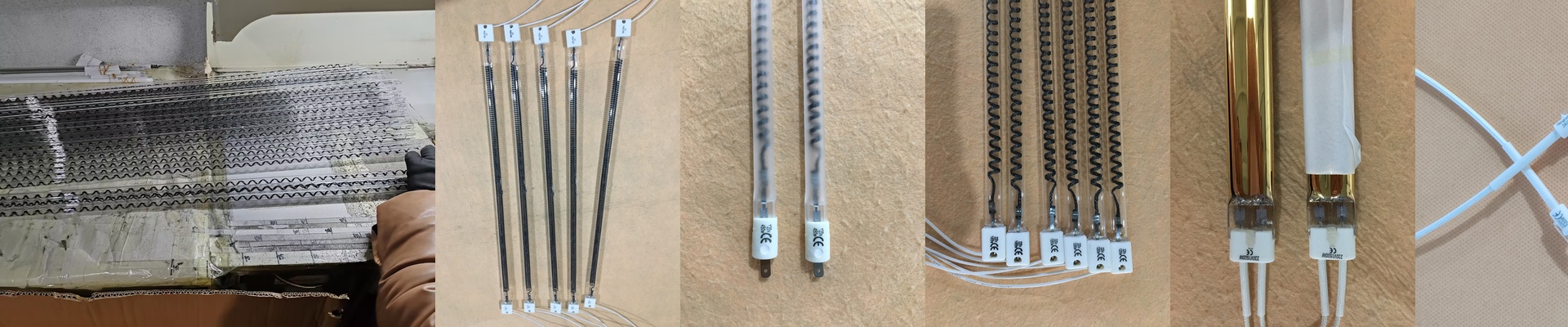
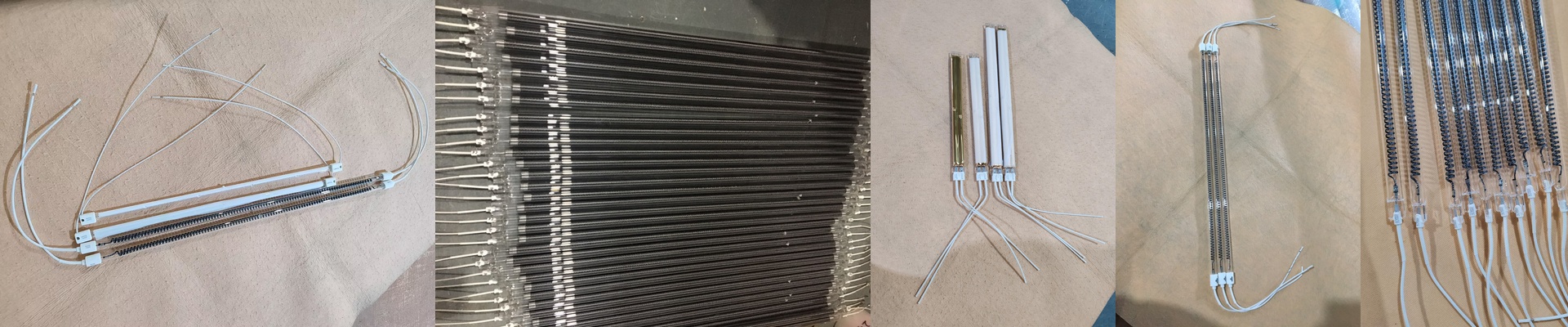
Here’s the thing about this heater: it’s built for tight spots where you need serious heat. We spec it at 230V and 2600W, which means you get industrial-level heat density without the headache of heavy wiring. Running at 230V keeps the current manageable, so you don’t have to over-engineer your wiring or worry about terminals getting stressed. And that 2600W rating? It gives you predictable, fast warm-ups—no guesswork. It’s a direct-resistance design, so there’s no external ballast to mess with. You just wire it up, set your control, and it hits temperature. Simple.
Material and Design: Quartz Tube, Carbon Element
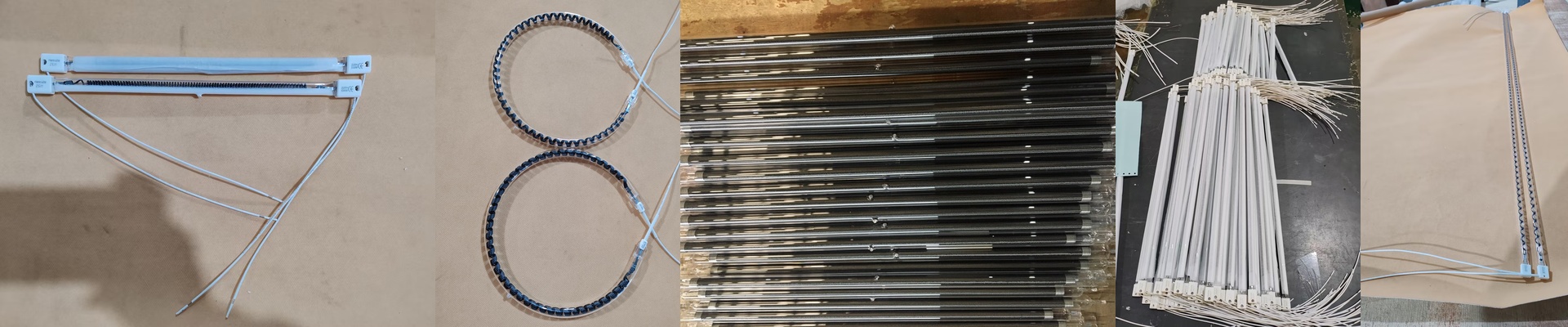
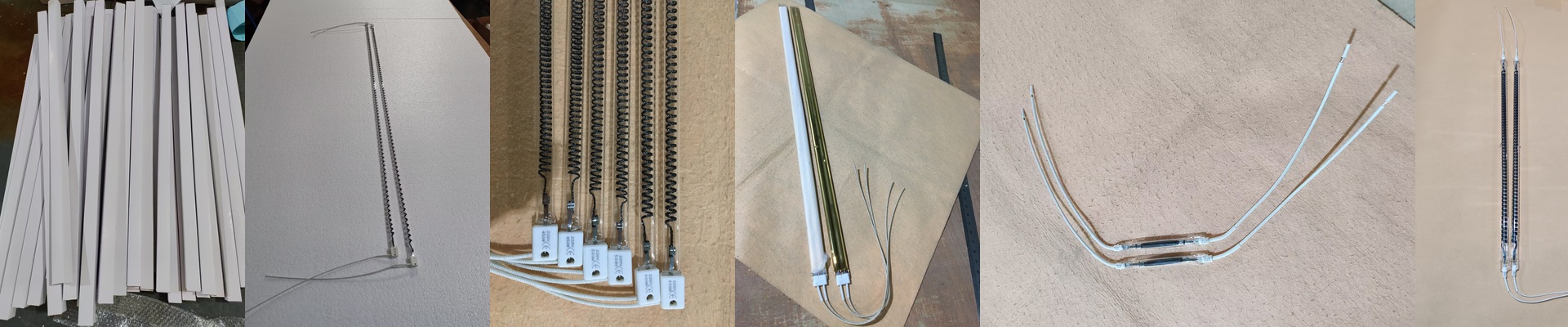
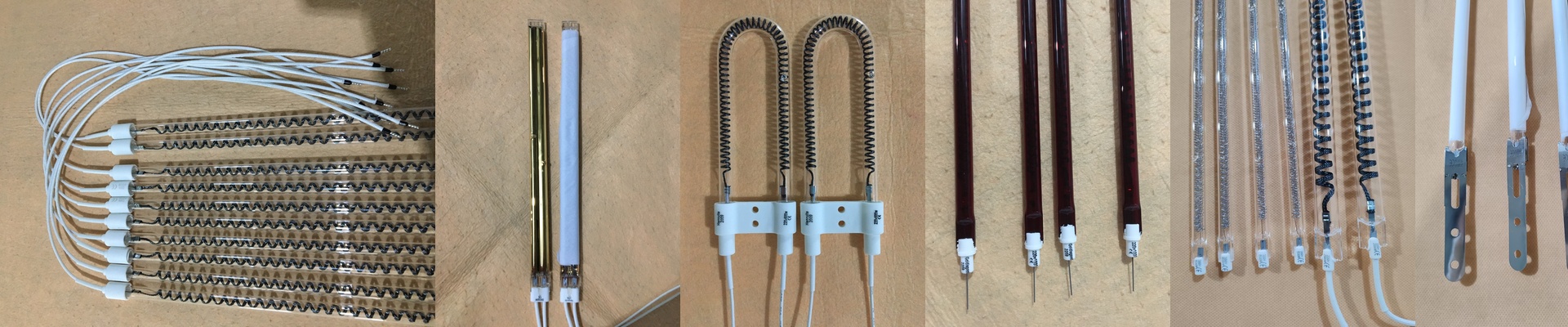
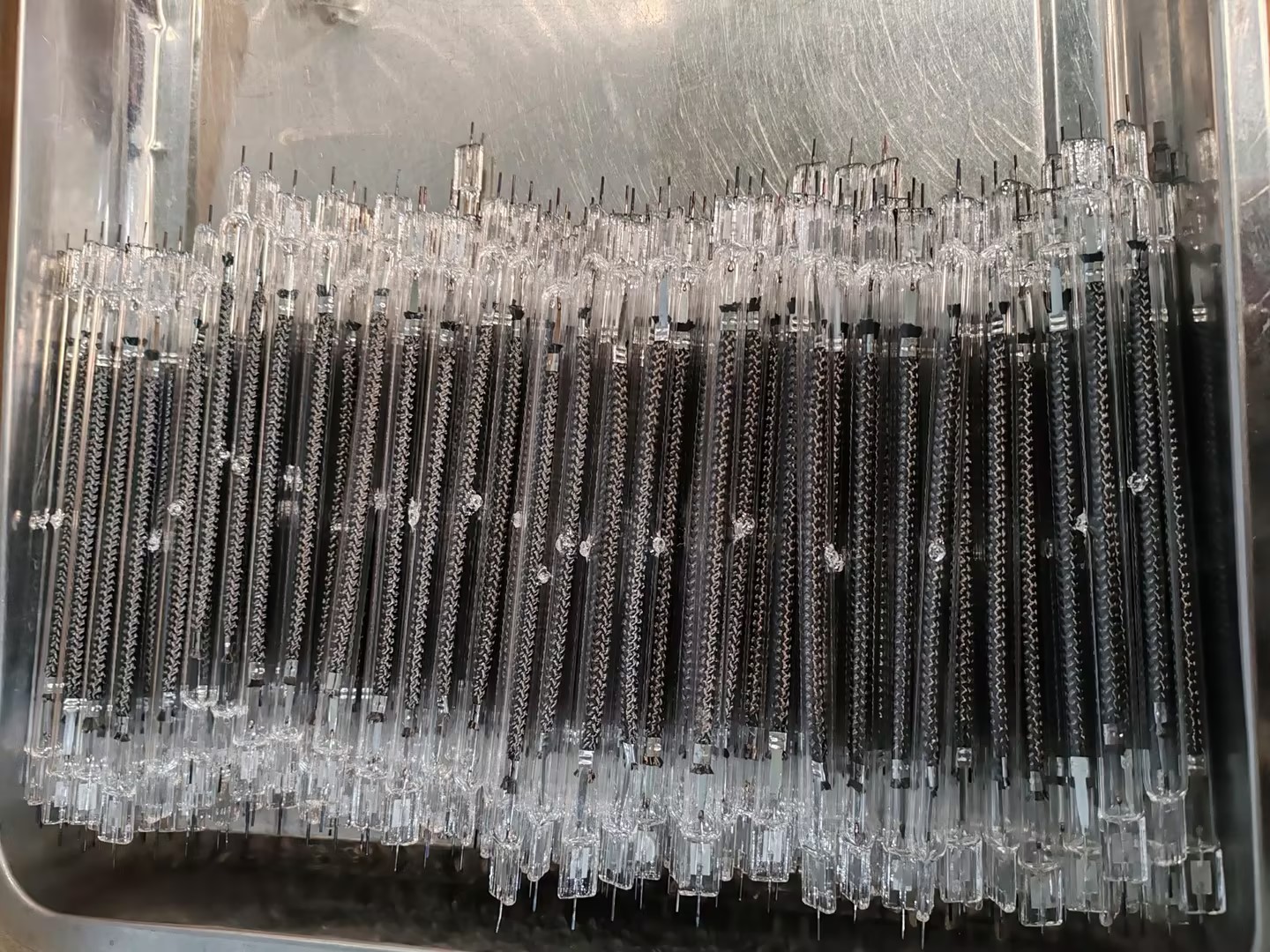
The quartz envelope is tough—really tough. It handles rapid heating and cooling cycles without cracking under thermal shock, which is more than a lot of ceramics can claim. Inside, the carbon element keeps resistance stable, no matter how much the temperature swings. That translates to even, consistent radiant heat. The whole quartz-to-element build is made to survive repeated heat-up and cool-down cycles. The footprint is compact, perfect for confined areas, but you do need to give it proper clearance. If you cram it too close to shielding or plastic parts, you risk localized overheating.
Application and Benefits: Tough, Focused Heat
This tube shines wherever you need focused infrared heat: plastic forming, sealing, curing, drying—you name it. The high watt density means it responds fast. But that also means your machine has to be ready to handle the heat rejection. The area around it gets hot—no way around it. Plan for heat shielding, airflow, and thermal protection for nearby components. For us, it’s a workhorse. For you, it’s a straightforward way to hit your target temperature quickly, as long as your thermal path is designed to match the load.